

Ensures the high precision,high steady and high efficiency of our machines

sprinkler pipe price
Field Notes on the WS 9200 automatic water sampler The water industry is in a curious moment: more compliance, more storm-driven sampling, and—ironically—smaller teams. That’s why portable, flow-proportional samplers are getting so much love. The WS 9200 lands squarely in that trend: a peristaltic, MCU-controlled unit designed for surface water, influent/effluent, and pollution source investigations. Built in Shijiazhuang, Hebei (No.188, Fengshou Road, Chang'an district, 050041), it aims for dependable grabs without hauling a cart. What it is, technically At its core, the WS 9200 uses an international-standard peristaltic pump and a single‑chip microcontroller for timing, dosing, and flow‑ratio logic. You can set intervals, sample volumes, and modes; connect a flow sensor to trigger proportional sampling; then let it run on DC 12–16.8 V. The standard external lithium pack is 14.8 V, 7.8 Ah—handy for weekend deployments. Spec Details (≈ indicates typical; real-world use may vary) Model WS 9200 (portable, separate-bottle) Sampling method Peristaltic pump, MCU-controlled; time or flow-proportional Power DC 12–16.8 V; external Li-ion 14.8 V 7.8 Ah (standard) Bottle configuration Portable single-bottle (multi-bottle options may be available on request) Flow input Flow sensor supported for ratio-based dosing Materials Peristaltic tubing options (e.g., silicone/EPDM/PTFE-lined) per media compatibility Volume precision ≈ ±5% repeatability under stable lab conditions Ingress/robustness Splash-resistant housing; confirm IP rating with vendor Origin Shijiazhuang, Hebei, China Testing and documentation typically reference ISO 5667 parts for sampling practice and EPA 40 CFR 136 for compliance methods. In fact, most agencies I talk to expect those citations in your plan, even if they don’t read every line. Process flow and real-world deployment Materials selection: choose tubing by chemical compatibility; low-absorption lines for organics; acid-washed bottles for nutrients. Method setup: time-based for routine composite; flow-proportional when load tracking matters (CSOs, industrial discharge). Testing standards: follow ISO 5667-3 for preservation; lab methods per EPA 40 CFR Part 136. Service life: peristaltic tubing is consumable—swap on an hours-or-media basis; the pump head and controller typically go years with periodic checks. Industries: municipal WWTPs, watershed groups, mining runoff, coastal storm events, industrial pretreatment. Why teams pick it (and a few caveats) Portability is the headline. The WS 9200 is light enough for riverbanks and lift stations, and honestly, fewer cords is less drama. Many customers say the external battery runs through a weekend at moderate intervals—your mileage will vary with volume and ambient temps. On the flip side, if you need advanced telemetry or ultra-high bottle counts, you may want a heavier, mains-powered platform. Vendor snapshot (quick compare) Feature WS 9200 Teledyne ISCO 6712 Hach AS950 Portability High (separate-bottle, battery-first) Medium Medium Flow-proportional Yes (via flow sensor input) Yes Yes Power DC 12–16.8 V; ext. Li-ion Battery or AC Battery or AC Bottle options Single; custom on request Multi-bottle Multi-bottle Typical budget Value-tier (≈ lower TCO) Mid–high Mid Customization and validation Options often include tubing chemistry, bottle material/volume, flow-sensor cabling, and preservation kits (ice/insulation). For QA, a simple bench test works: run n=30 doses at a fixed volume, record mass, and verify ≈ ±5% repeatability at 20 °C with clean water. Document hold times and preservation per ISO 5667-3 and your lab’s LIMS rules. Mini case: storm-event composite A coastal watershed team (small budget, big rain) used the WS 9200 on a tidal creek. Flow-triggered dosing during first flush captured TSS and bacteria peaks they used to miss with manual grabs. Nothing fancy—just a well-sited intake and conservative tubing changes between events. Their feedback was simple: fewer missed peaks, less night driving. Compliance and certifications Sampling procedures align with ISO 5667 series; lab analyses with EPA 40 CFR Part 136. Electrical safety/EMC typically reference EN 61010 and EN 61326. Ask the vendor for current CE/EMC reports and calibration sheets; they’re usually available on request. Authoritative references ISO 5667-1:2020 Water quality—Sampling—Guidance ISO 5667-3:2018 Preservation and handling of samples US EPA 40 CFR Part 136—Guidelines for Establishing Test Procedures EN/IEC 61010-1—Safety requirements for electrical equipment EN/IEC 61326-1—EMC requirements for measurement equipment
Latest News
2026-06-15 18:03
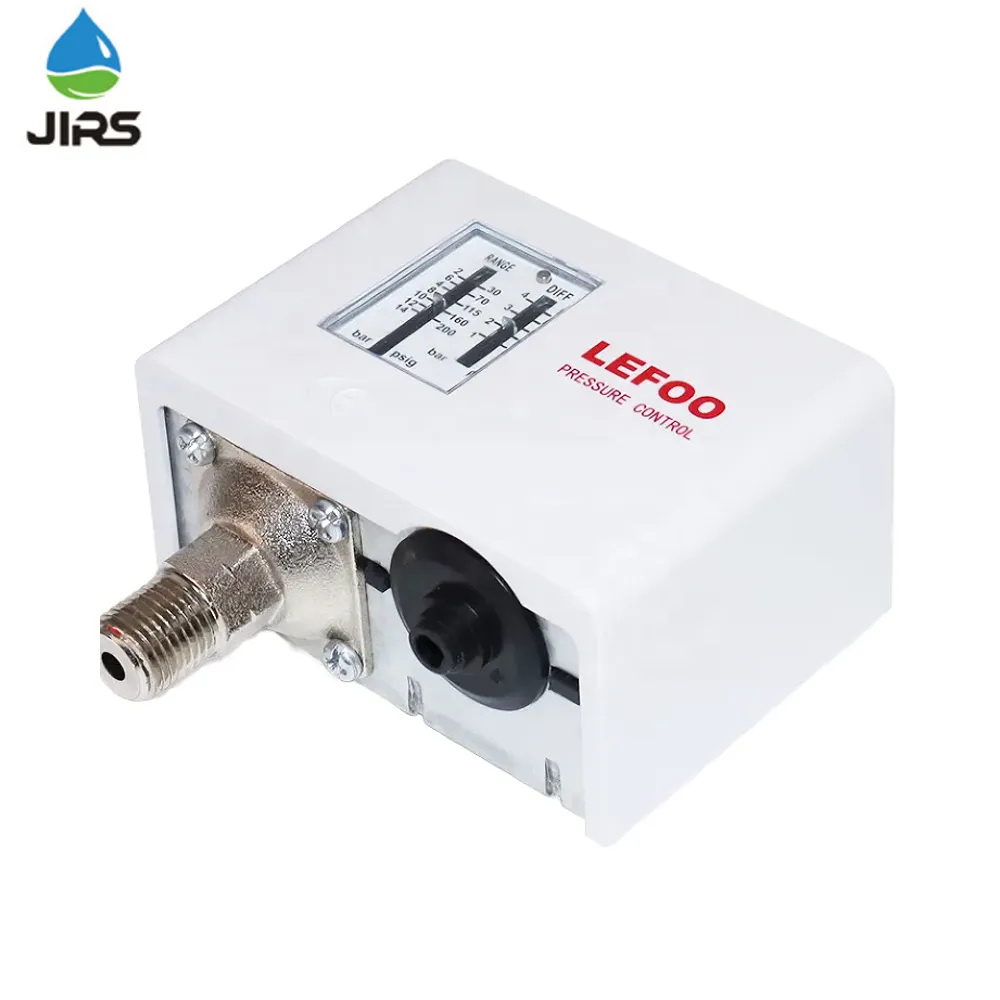
Introduction to the LF55 Pressure Switch The LF55 pressure switch represents a significant advancement in industrial control technology. As an automatic control device, it responds to pressure signals to ensure optimal performance and safety in critical systems. Whether used in hydraulic machinery, pumps, or complex industrial equipment, the LF55 is engineered to provide dependable protection agai
2026-06-15 15:41
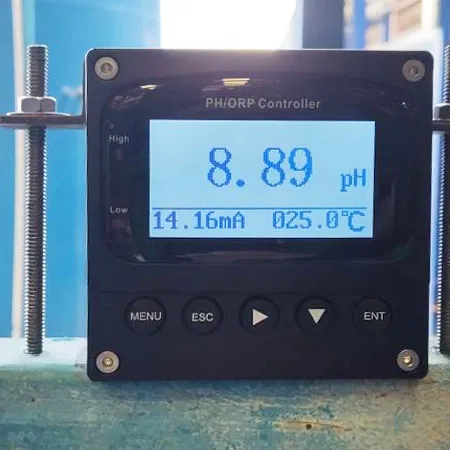
Hands‑on notes from the field: PC-6850 double‑channel pH/ORP controller Water plants and plating shops keep telling me the same thing: compliance windows are tightening while crews are shrinking. That’s where the PC-6850 sneaks in as an unglamorous hero—dual channels, pH and ORP, one compact head unit. It’s built in Hebei, China (No.188, Fengshou Road, Chang'an District, Shijiazhuang City, 050041)
2026-06-15 17:10
Exploring the Core: Rotameter Technology and Industry Advancements The Rotameter , a classic variable area flow meter, remains an indispensable instrument across a multitude of industrial processes despite the advent of more complex flow measurement technologies. Its robust design, simplicity of operation, and cost-effectiveness make it a preferred choice for measuring the volumetric flow rate of
